Liminalism: The Art of Knowing No Thing
New Book By Based Upon Enters The Space Between And Beyond
At a time when ideas of liminality are entering the cultural imagination and artificial intelligence is transforming humanity’s relationship with knowledge, Based Upon announces the publication of Liminalism: The Art of Knowing No Thing.
Increasingly, liminality is represented through empty rooms, abandoned spaces and places caught between what they once were and what they might become. These images speak to a wider moment of transition: a world reconsidering certainty, identity and what remains when familiar forms disappear. Liminalism begins from a different understanding. The space between is not empty; it is a field of infinite possibility – an eternal flow in which all things appear. For Based Upon, our role is not simply to classify and understand a world of separate things, but to know our place within an evolving geometry of relational becoming.
Artificial intelligence is expanding our ability to recognise patterns, make connections and navigate complexity at a previously unimaginable scale. In doing so, it invites a deeper understanding of what it means to know. Knowledge, however, is not only classification, inference or explanation. To encounter, feel, care and embody reveals another way of knowing. Across two decades of artistic practice, Based Upon has explored this way of knowing through making.
“To know the world is not to contain it, but to participate in its becoming. Liminalism is the art of knowing no thing. It is being able to sense that things are not independent entities but vertices in a vast and complex geometry. It’s marvelling at the evolving nature of a thing through time and musing on what remains as it changes state in the oscillating flow of emergence and entropy.”
Ian Abell, Based Upon
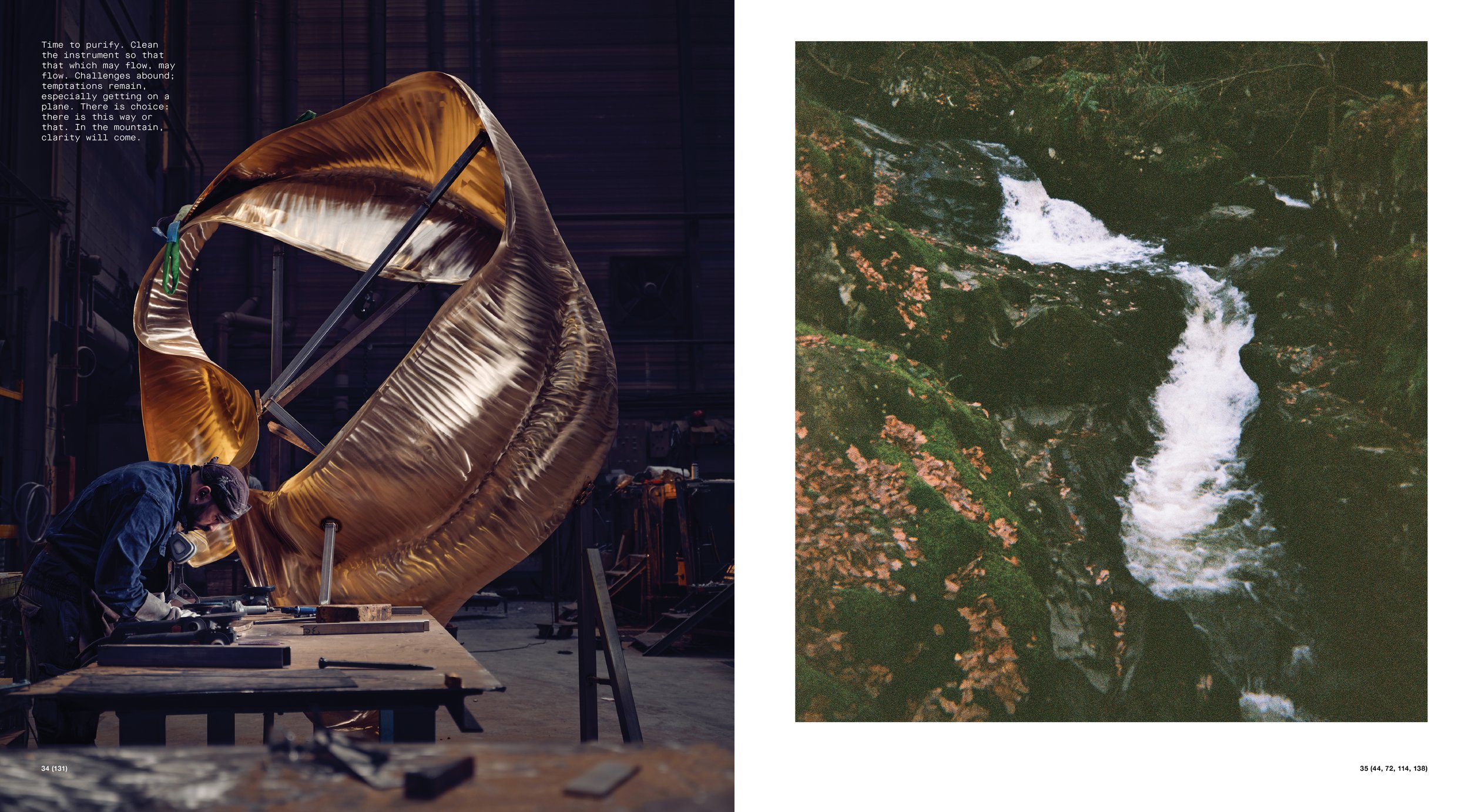
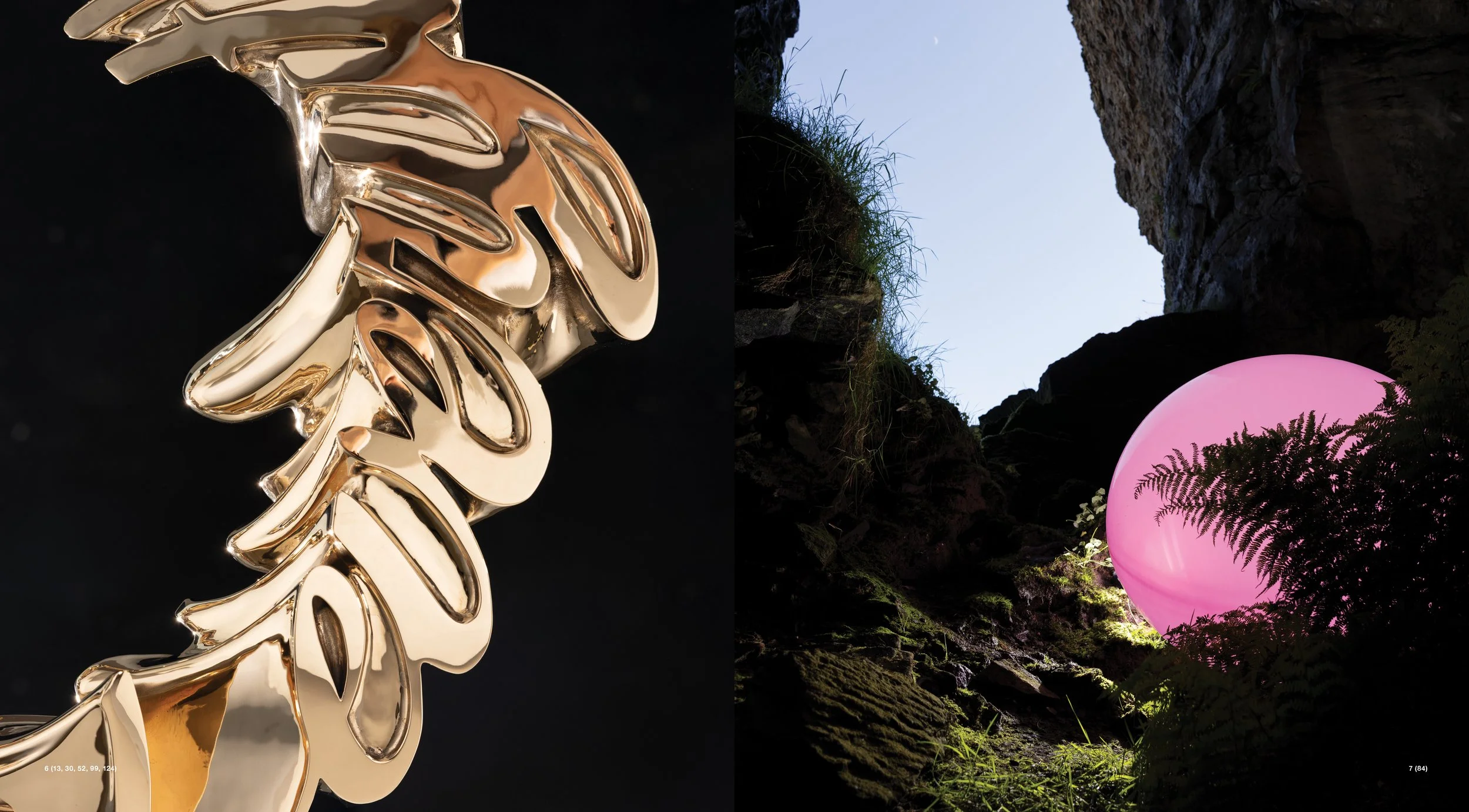
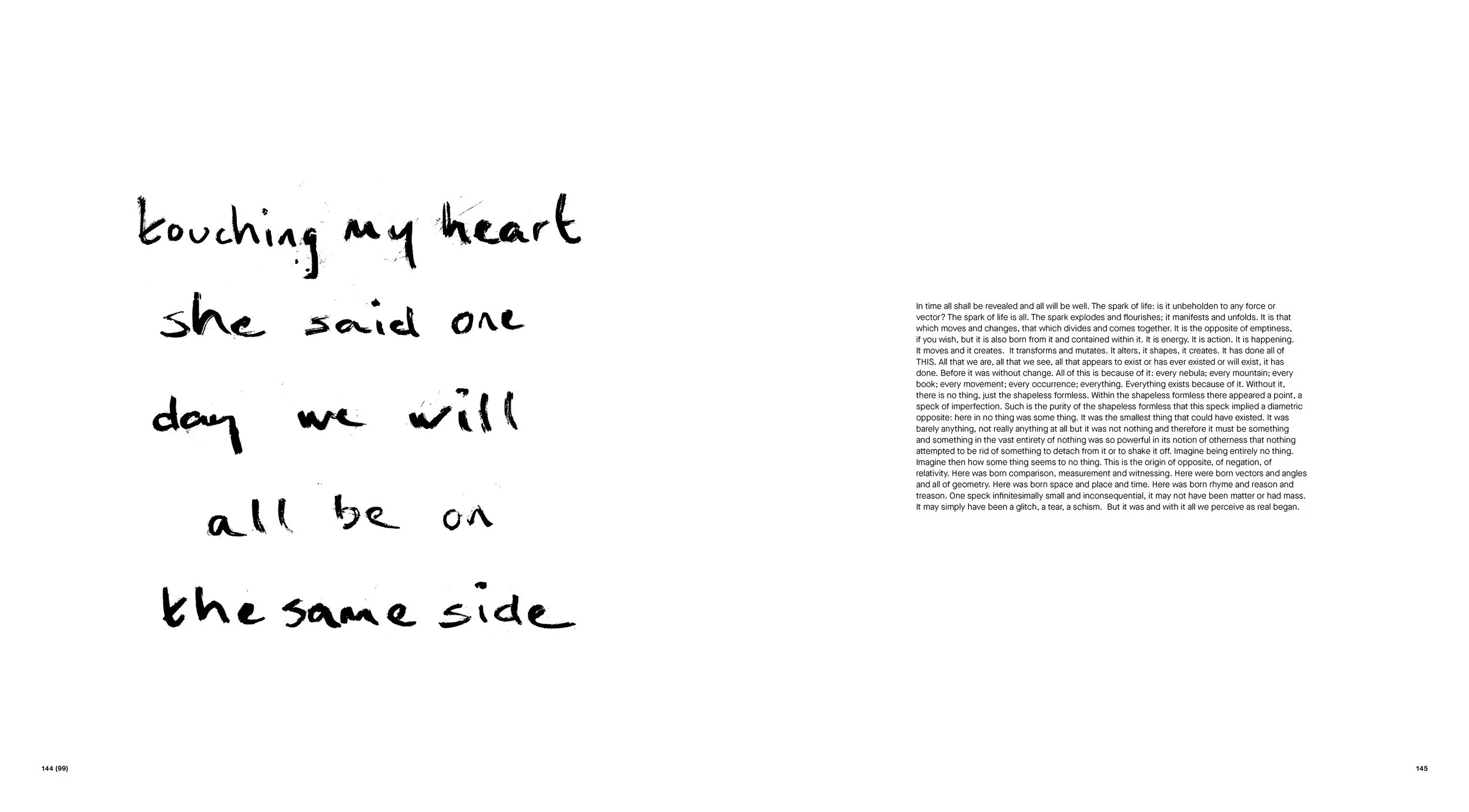
Published by Hurtwood, the book presents as a live-indexed, non-linear journey through sculpture, landscape, process and reflection. Rather than documenting a sequence of objects, it reveals the relationships from which they emerged.
Entropy belongs to form. Every object, body, building, image and identity changes state. Emergence belongs to relationality. As one form dissolves, its matter, memory and meaning enter new configurations. What appears as disappearance from the perspective of the object is transformation from the perspective of the field.
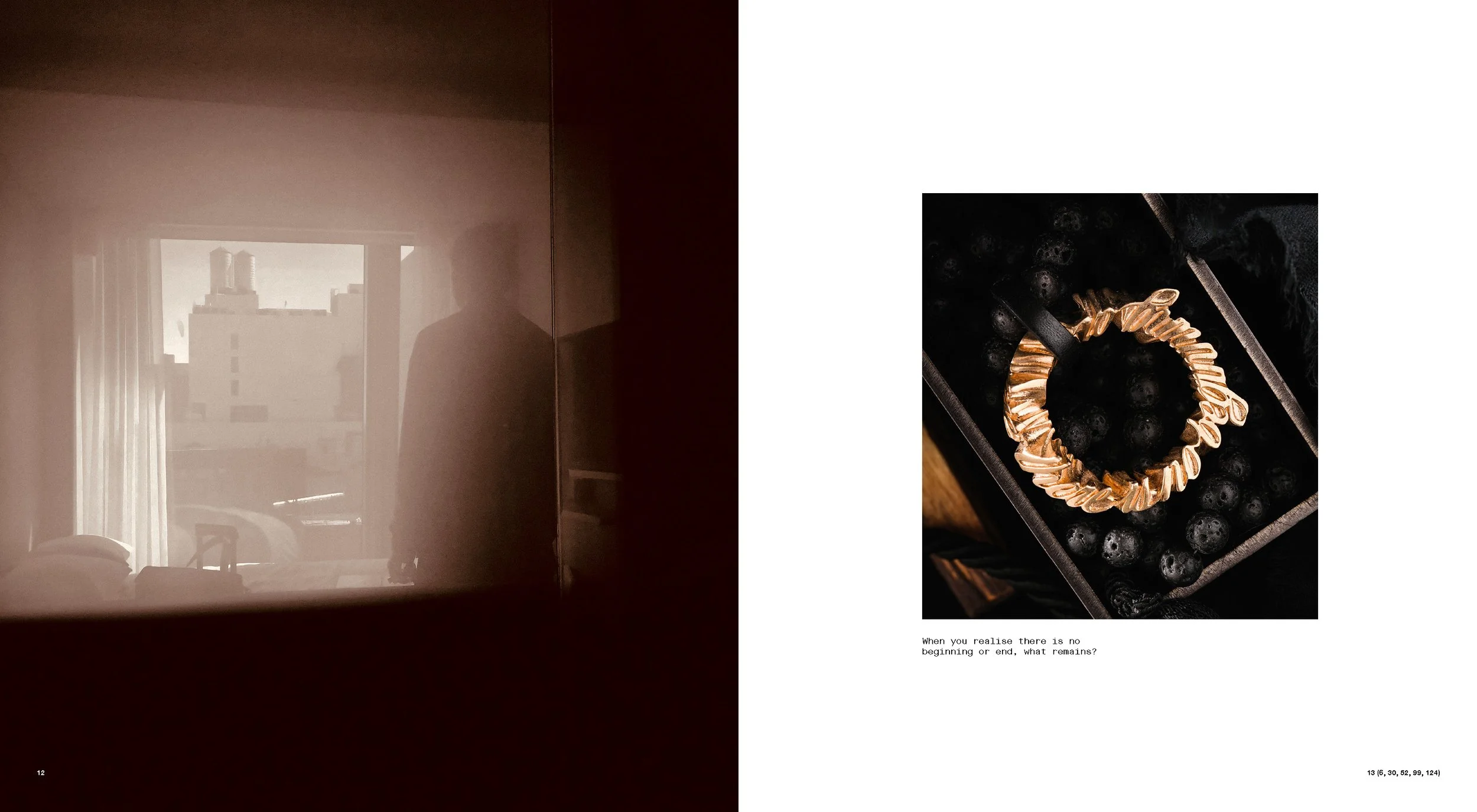
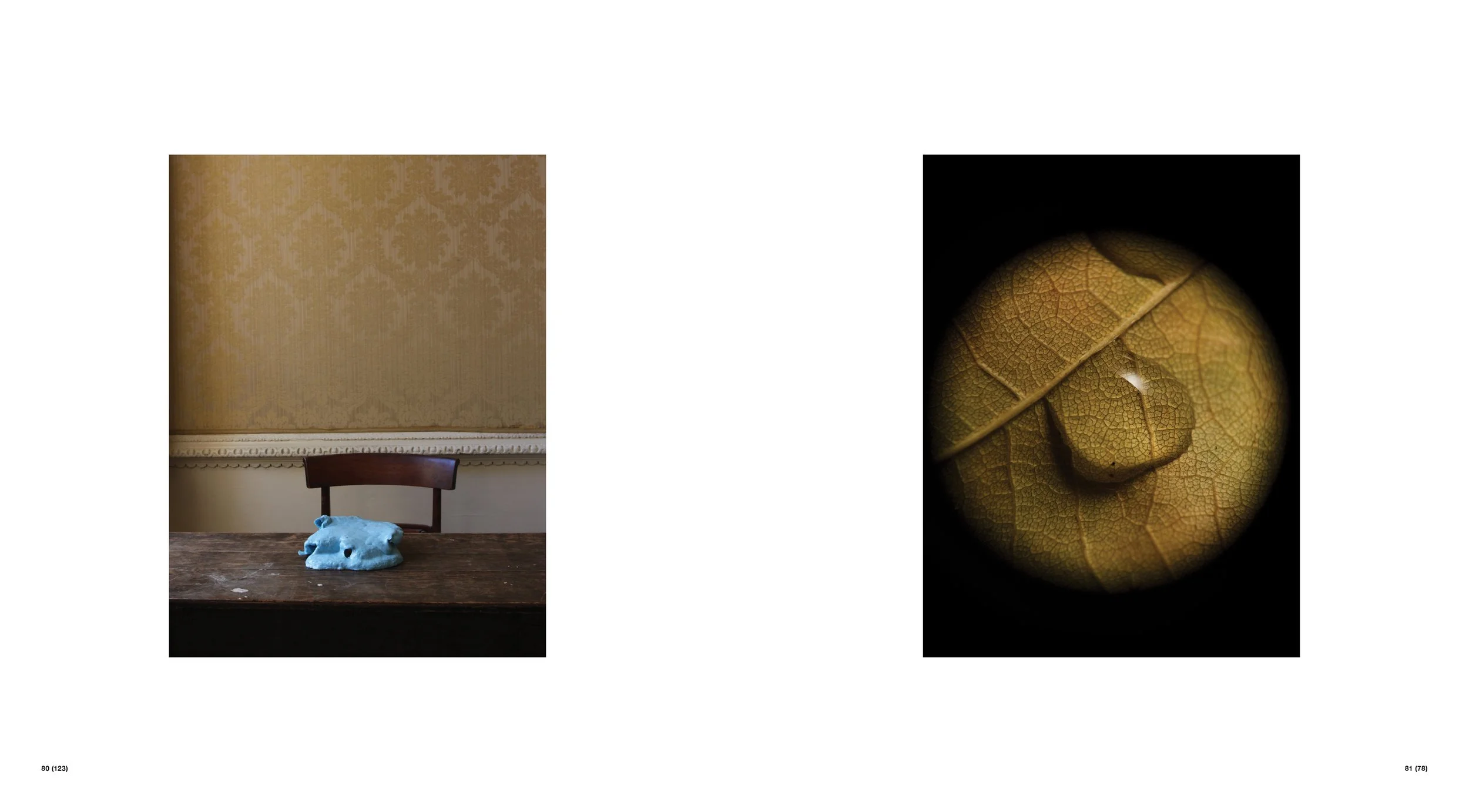
The book invites the reader into this way of seeing through a sequence of visual pairings. Two images create a human-scale doorway into a relational universe too vast to comprehend all at once. The meaning does not sit within either image alone; it emerges through relationship.
One of the book’s opening pairings shows a shadowed figure looking out from a hotel window, in a moment of searching, surrender and possibility, towards the New York skyline. Opposite sits a Möbius form carrying the question ‘When you realise there is no beginning or end, what remains?’ The answer unfolds throughout Liminalism. When we let go of what we think we know, we stop seeing only the object and begin sensing the whole.
Following the award-winning publication Manual, Liminalism is Based Upon’s most personal articulation of its creative practice to date.
Liminalism: The Art of Knowing No Thing is published by Hurtwood and available now in the UK, and internationally from 21 July.